Narmada Chemicals manufactures specialty auxiliaries across four application areas. Every product is engineered for process compatibility, batch-to-batch consistency, and compliance with current international standards.
Prepare your substrate right and every downstream process runs better. Our pretreatment range covers wetting, scouring, sequestering, bleaching stabilisation, desizing, neutralising, and bio-scouring auxiliaries for cotton, blends, and synthetic substrates. Compatible with jet, overflow, continuous, and pad processing equipment.
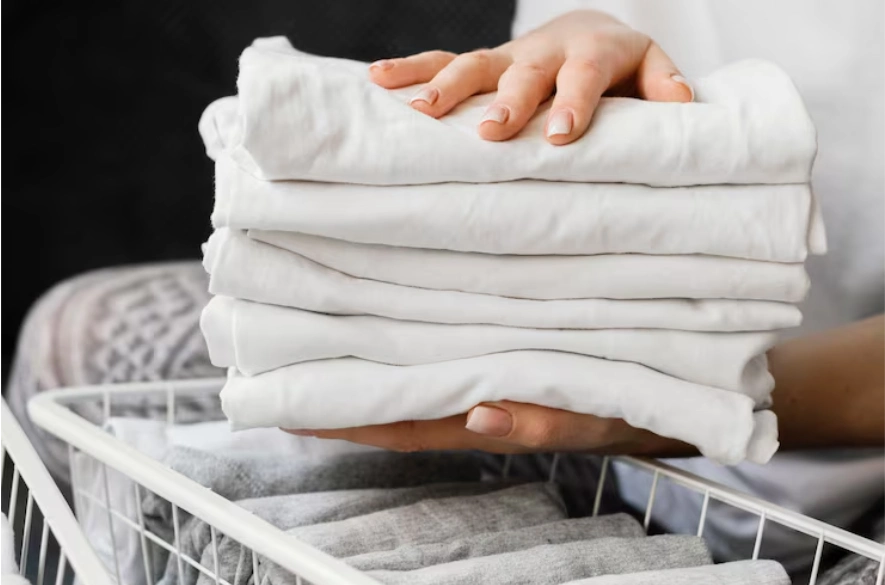
Low-foam, fast-wetting agents for pad, exhaust, and spray applications. Ensure rapid and uniform liquor penetration into the substrate — particularly important in tight constructions and short liquor ratio machines.
Removes natural waxes, seed coat fragments, processing oils, and other impurities from cotton, linen, and blended fabrics. Essential for consistent absorbency and reproducible dyeing results.
Deactivates calcium, magnesium, iron, and other metal ions in hard water. Prevents scale formation, protects hydrogen peroxide from metal-catalysed decomposition, and improves dye uptake uniformity across varying water sources.
Controls the decomposition rate of hydrogen peroxide during bleaching — protecting fibre integrity while delivering consistent whiteness. Prevents fibre tendering and pinholes caused by uncontrolled peroxide activity.
Enzymatic and oxidative systems for complete removal of starch, PVA, and CMC sizing agents. Residual size causes unlevel dyeing and poor dye penetration — complete removal before dyeing is critical.
Removes metal ions and calcium deposits from fabric and process water before bleaching and dyeing. Reduces the risk of metal-catalysed fibre damage and prevents dye precipitation.
Prevents rope marks and crease formation in jet and overflow machines during wet processing. Reduces the risk of permanent crease damage on sensitive substrates and blends.
pH correction after alkaline scouring and bleaching. Brings fabric to the correct pH before dyeing or finishing — preventing dye hydrolysis, unlevel exhaustion, and pH-sensitive process failures.
Low-temperature enzyme-based scouring for cotton and cellulosic substrates. Suitable for GOTS-certified organic processing facilities. Reduces energy consumption compared to conventional high-temperature alkaline scouring.
High-performance foam suppressants across all pretreatment baths. Prevents foam-related process disruptions without affecting scouring or wetting efficiency.
Uniform shade, good fastness, and a clean process — across reactive, direct, acid, and disperse dyestuff systems. Our dyeing auxiliaries improve dye uptake, shade consistency, and process reproducibility while reducing water, energy, and chemical consumption.
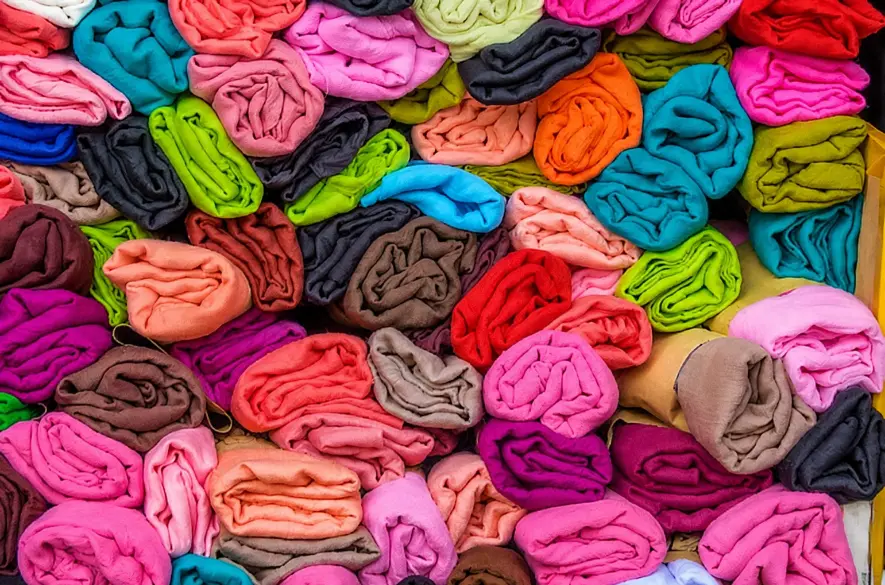
Migration and retarding auxiliaries that promote even dye distribution across the substrate during exhaustion. Prevents barre, stripiness, and tip-to-base shade variation — critical for both knit and woven fabric dyeing.
High-performance dispersants for disperse dyes in polyester dyeing. Maintains dye particle stability in the bath, reduces oligomer deposits on fabric and machine, and minimises filtration problems in exhaust dyeing.
Cationic and polymer-based fixatives that bind unfixed reactive and direct dyes to the fibre after dyeing. Improves wet fastness without yellowing — available with and without formaldehyde.
Prevents shade variation, barre, and unlevel results in continuous and semi-continuous dyeing. Controls dye migration during drying and fixation stages in pad-dry-steam and pad-batch processes.
Post-dyeing wash-off auxiliaries for effective removal of unfixed and hydrolysed reactive dye. Reduces wash-off time, improves wet fastness, and lowers water consumption.
pH buffering agents for precise and stable pH management in acid and disperse dyebaths. Prevents pH drift during exhaustion, which causes unlevel dyeing, poor fixation, and reproducibility problems.
Defoamers and foam inhibitors for dyeing and washing liquors. Prevents foam formation that causes pump cavitation, unlevel dyeing, and process disruptions in closed-vessel machines.
Effective removal of unfixed dye from fabric after reactive and direct dyeing. Reduces wash cycles required to achieve fastness targets, saving water and time.
Swelling agents that facilitate disperse dye penetration into polyester fibres at atmospheric pressure.
Salt reduction and electrolyte optimisation products for reactive dyeing. Allows reduced salt concentrations while maintaining dye exhaustion — supporting more resource-efficient processing.
The right handle, the right performance, and the durability your customers expect. Our finishing range covers silicone and wax-based softeners, functional finishes, and specialty treatments for knits, wovens, denims, and technical fabrics across all fibre types.
Silky, smooth, elastic handle — the benchmark softener for knits and wovens. Excellent fibre lubrication, good wash durability, and minimal impact on absorbency at standard dosage.
Fine-particle silicone emulsion for a supple, uniform handle with excellent stability in pad application. Suitable for cotton, viscose, and synthetics.
Softness with maintained or improved moisture absorption. Essential for activewear, towelling, and substrates where softness and absorbency must coexist.
Full, substantial hand for heavier fabric constructions and technical applications. Good lubrication, smooth surface feel, and durability in end-use.
High elasticity and shape recovery for stretch and bi-stretch fabrics. Maintains softness and handle after repeated washing and wear.
Cost-effective softening for cellulosic substrates in exhaust finishing. Strong fibre affinity at low dosage — suitable for batch and continuous application.
Softening for synthetic fibres and blends where cationic or anionic softeners may cause compatibility problems.
Reduces static charge build-up on synthetic fabrics. Prevents fabric-to-machine adhesion and reduces static-related soiling in garments.
Cross-linking finishes for low-iron performance and dimensional stability on cotton and blended fabrics.
Improves crease angle recovery and dimensional stability in cellulosic fabrics. Applied in pad finishing and cured for durable performance.
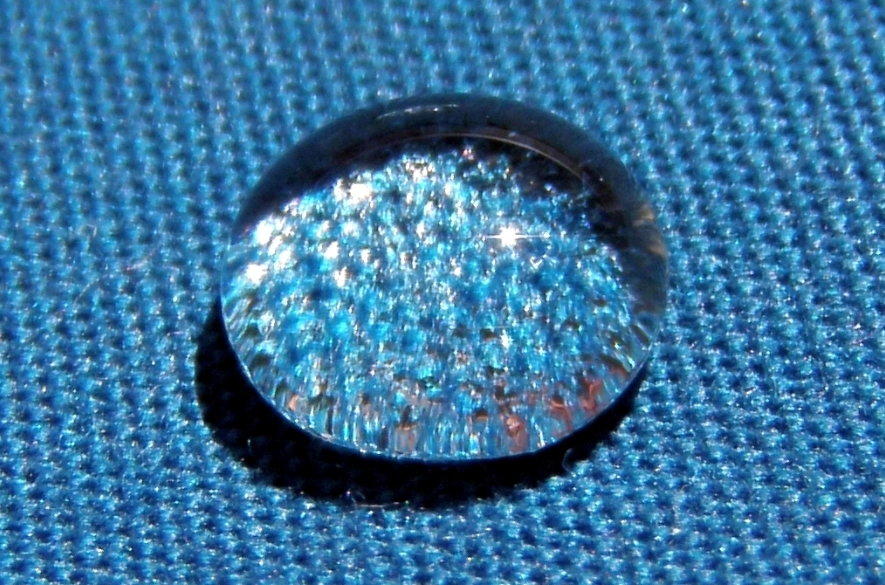
Durable water repellency. Available in fluorocarbon-free formulations for processors working to restricted substance requirements.
Controls pilling tendency in knitwear and improves dimensional stability through repeated washing.
Cellulase systems that remove surface fibrils from cotton and viscose — improving lustre and reducing pilling without harsh abrasion.
Flexible polymer coatings for technical and performance fabrics. Good abrasion resistance and flexibility for workwear and outerwear.
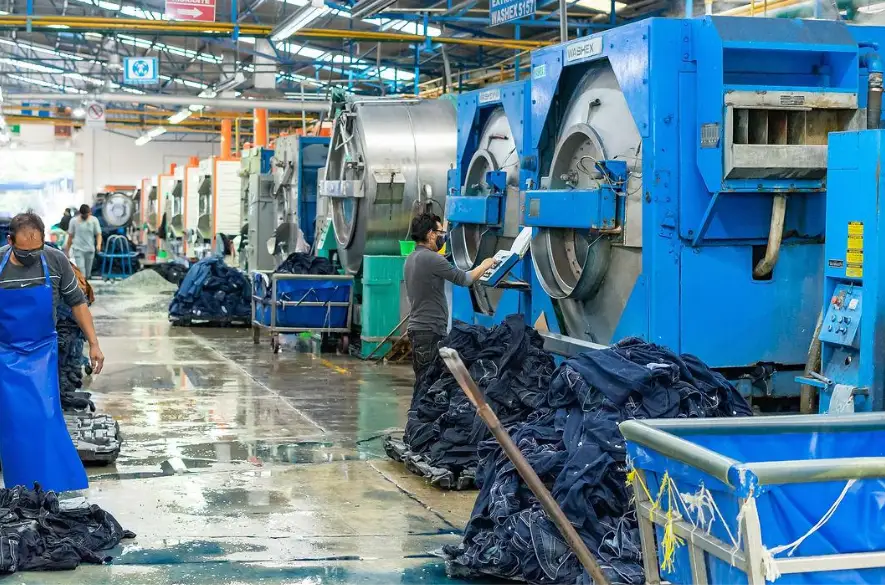
One of the most complete garment washing ranges available from an Indian manufacturer. From clean wash to vintage effects — with the ZDHC compliance credentials your brand customers require.
Prevents indigo and pigment dye from redepositing onto fabric during washing. Keeps white pockets, waistbands, and undyed panels clean throughout the wash cycle.
Uniform indigo cast correction and hue balancing for consistent colour across garment batches. Corrects tonal variation between fabric rolls or production runs.
Chemical and mechanical systems for abraded, contrast, and bleach-effect finishes on denim. Supports waterline effects, high-contrast abrasion, and surface wear aesthetics.
Protects indigo-dyed denim from ozone-induced colour loss during storage and transit. Critical for export shipments.
Supports hand-sanded, whisker-enhanced, tinted, and aged-look development across production batches.
Engineered for garment-stage application — consistent handle without reducing absorbency or affecting surface effects from the wash process.
Cellulase and amylase systems for bio-polishing, de-pilling, stone-wash simulation, and enzyme wash effects on denim and cotton. Reduces the need for physical abrasives.
Crinkle-setting and dimensional stabilisation for permanent 3D effects. Durable and wash-stable.
No products match your search. Try a different keyword, or ask our technical team directly.
Many of our products exist because a customer needed something that didn't exist yet. Tell us your substrate, process, and target outcome — we'll recommend a formulation or start developing one.
